



Atrial Fibrillation

You don’t have to let an irregular heartbeat disrupt your life. If you are living with atrial fibrillation (AFib), a common type of irregular heartbeat, you are not alone.
At Trinity Health Michigan, our cardiovascular specialists provide advanced AFib treatment to help you control your heart rhythm, reduce your risk of stroke and return to the activities you enjoy.

Why Choose Trinity Health Michigan for AFib Care?
- Experienced AFib specialists and cardiologists – Our arrhythmia experts diagnose and treat all types of heart rhythm disorders, including complex AFib cases.
- Advanced diagnostic technology for irregular heart rhythms – We use 3D cardiac mapping, echocardiograms and other tools to precisely identify the source of your abnormal heart rhythm.
- Personalized atrial fibrillation treatment plans – Your care is tailored to your symptoms, lifestyle and risk factors, with continuous monitoring and adjustments.
- Minimally invasive AFib procedures – We offer leading cardiac ablation techniques and advanced therapies that improve outcomes and reduce recovery time.
Understanding Atrial Fibrillation
Atrial fibrillation (AFib) is the most common type of arrhythmia, or irregular heartbeat. It occurs when the upper chambers of your heart beat out of sync with the lower chambers, disrupting normal blood flow.
This can lead to serious complications, including blood clots, stroke and heart failure, especially if left untreated.
Common AFib symptoms include:
- Heart palpitations such as fluttering, racing or pounding
- Shortness of breath
- Dizziness or lightheadedness
- Fatigue or reduced ability to exercise
Some people do not experience noticeable symptoms, but atrial fibrillation still requires medical evaluation and treatment to prevent complications.
Atrial Fibrillation Treatment Options
Your AFib treatment plan depends on your condition, symptoms and overall health. Our team offers comprehensive options to restore and maintain a normal heart rhythm.
Medical management for AFib
- Medications to control heart rate and heart rhythm
- Blood thinners to reduce the risk of stroke
- Ongoing monitoring and medication adjustments
Lifestyle management and stroke prevention
- Treatment for high blood pressure and underlying heart conditions
- Guidance on diet, exercise and heart-healthy habits
- Remote heart monitoring devices to track irregular rhythms
Minimally invasive AFib procedures
- Cardiac ablation to target the source of abnormal electrical signals
- Advanced procedures that improve long-term heart rhythm control
Advanced and implantable therapies
- Implantable heart rhythm monitoring devices
- WATCHMAN™ procedure to reduce stroke risk for patients who cannot take blood thinners
Our goal is to reduce symptoms, prevent complications and provide long-term atrial fibrillation management that fits your life.
Conditions and Risk Factors Linked to AFib
Atrial fibrillation risk factors often include other medical conditions. Identifying and managing these helps improve outcomes:
- High blood pressure (hypertension)
- Coronary artery disease and other heart conditions
- Diabetes
- Obesity
- Sleep apnea
Addressing these conditions is an important part of comprehensive AFib care and stroke prevention.
What to Expect from AFib Care
- A comprehensive evaluation of your heart rhythm
- Advanced diagnostic testing for arrhythmias
- A personalized atrial fibrillation treatment plan
- Ongoing care from a multidisciplinary cardiovascular team
We partner with you every step of the way to help you understand your diagnosis, manage AFib symptoms and protect your long-term heart health.
Frequently Asked Questions About AFib
AFib is a serious heart condition that increases your risk of stroke and heart failure if not treated. Early diagnosis and care are important.
Treatment varies but often includes medications, lifestyle changes and procedures such as ablation to control heart rhythm and prevent complications.
Our Locations
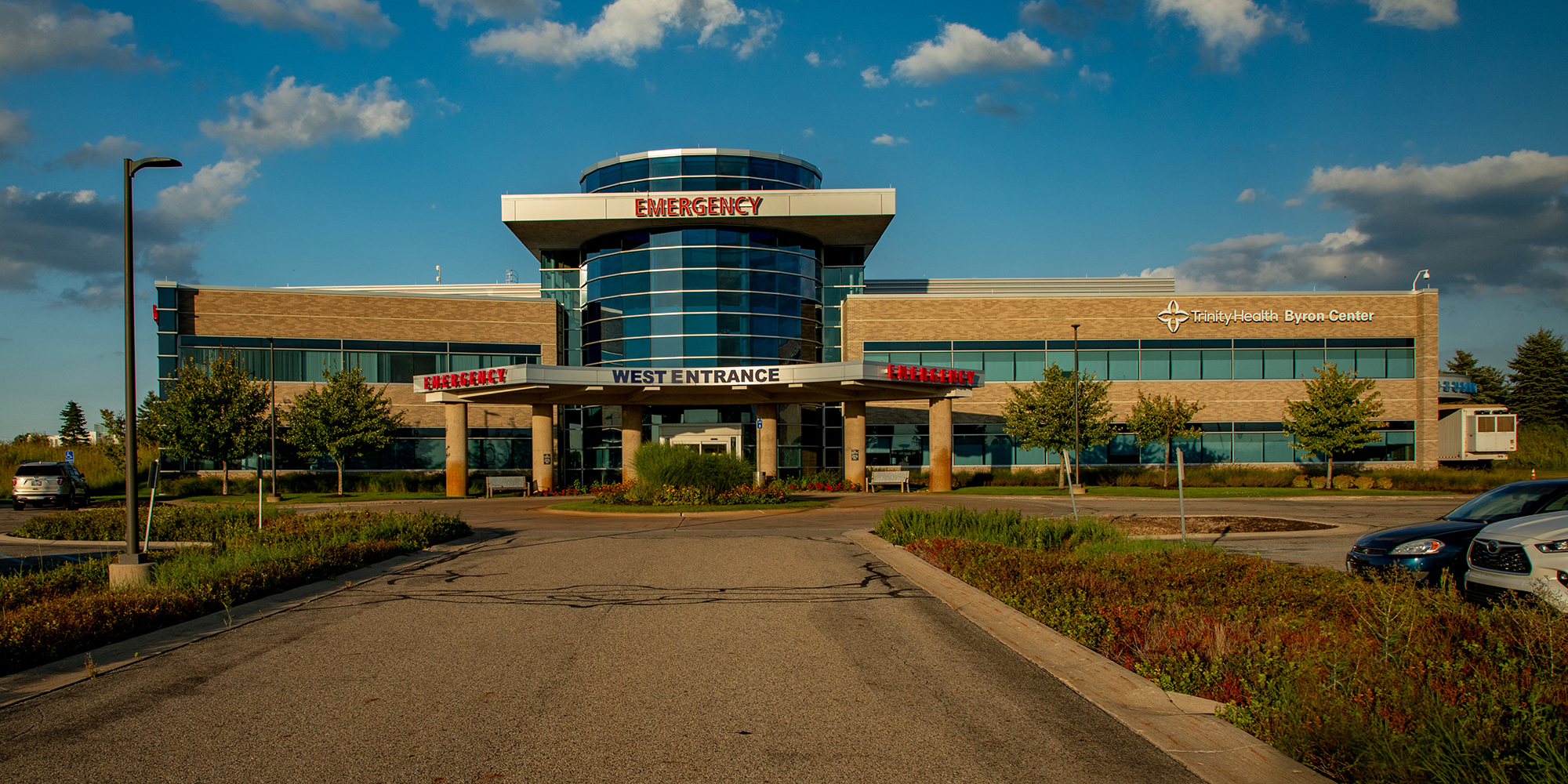
Trinity Health Medical Group, Cardiovascular - Byron Center
2373 64th St SW Ste 1304
Byron Center, MI 49315

Trinity Health Medical Group, Cardiology - Ludington
5656 W US 10
Ludington, MI 49431

Trinity Health Medical Group, Cardiology - Grand Haven
1445 Sheldon Rd Ste 102
Grand Haven, MI 49417
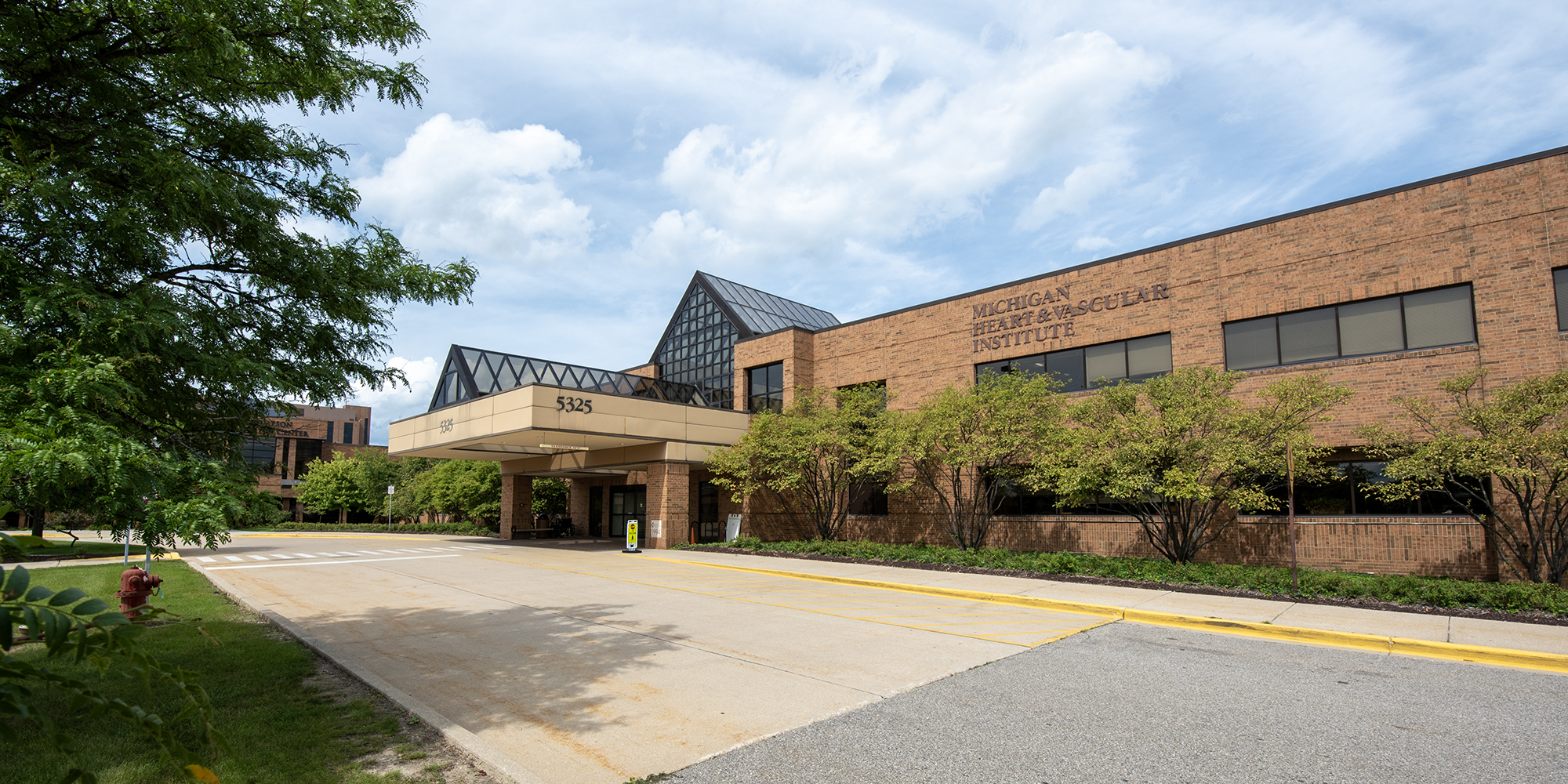
Trinity Health Michigan Heart - Ann Arbor Campus
5325 Elliott Dr 2nd Floor
Ypsilanti, MI 48197
Our Providers

Abiy Nigatu, MD
Cardiology +2 more
Accepting New Patients
Trinity Health Medical Group
Cardiovascular Network of West Michigan
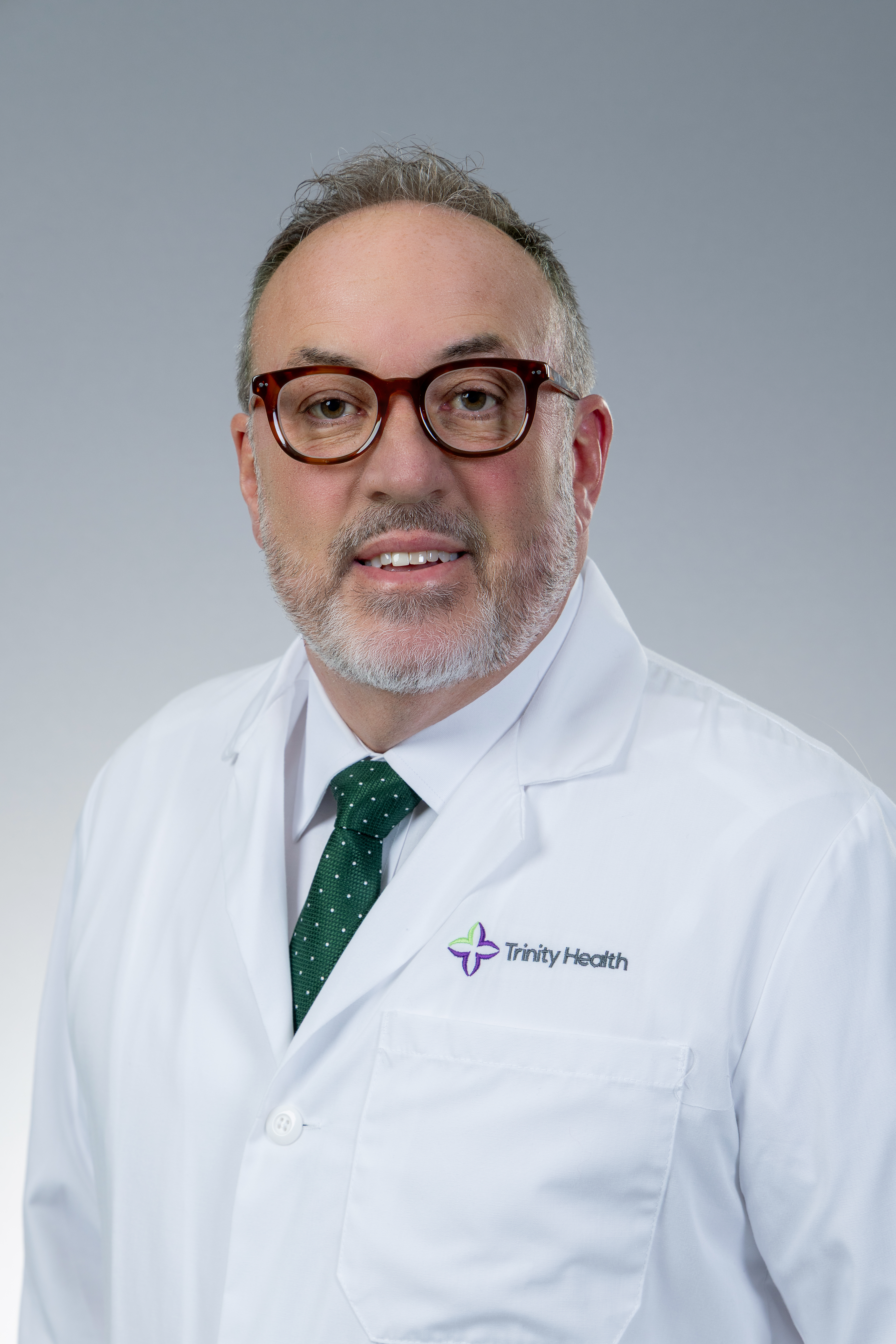
John Mulder IV, PA-C
Physician Assistant +1 more
Accepting New Patients
Trinity Health Medical Group

Matthew Schultz, PA-C
Physician Assistant +1 more
Accepting New Patients
Trinity Health Medical Group
Cardiovascular Network of West Michigan

Thomas Hill, MD
Cardiology +1 more
Accepting New Patients
Trinity Health Medical Group
Cardiovascular Network of West Michigan

Douglas Moore, DO
Clinical Cardiac Electrophysiology +2 more
Accepting New Patients
Trinity Health Medical Group
Cardiovascular Network of West Michigan
Nicholas Johnson, PA-C
Physician Assistant +2 more
Accepting New Patients
Trinity Health Medical Group